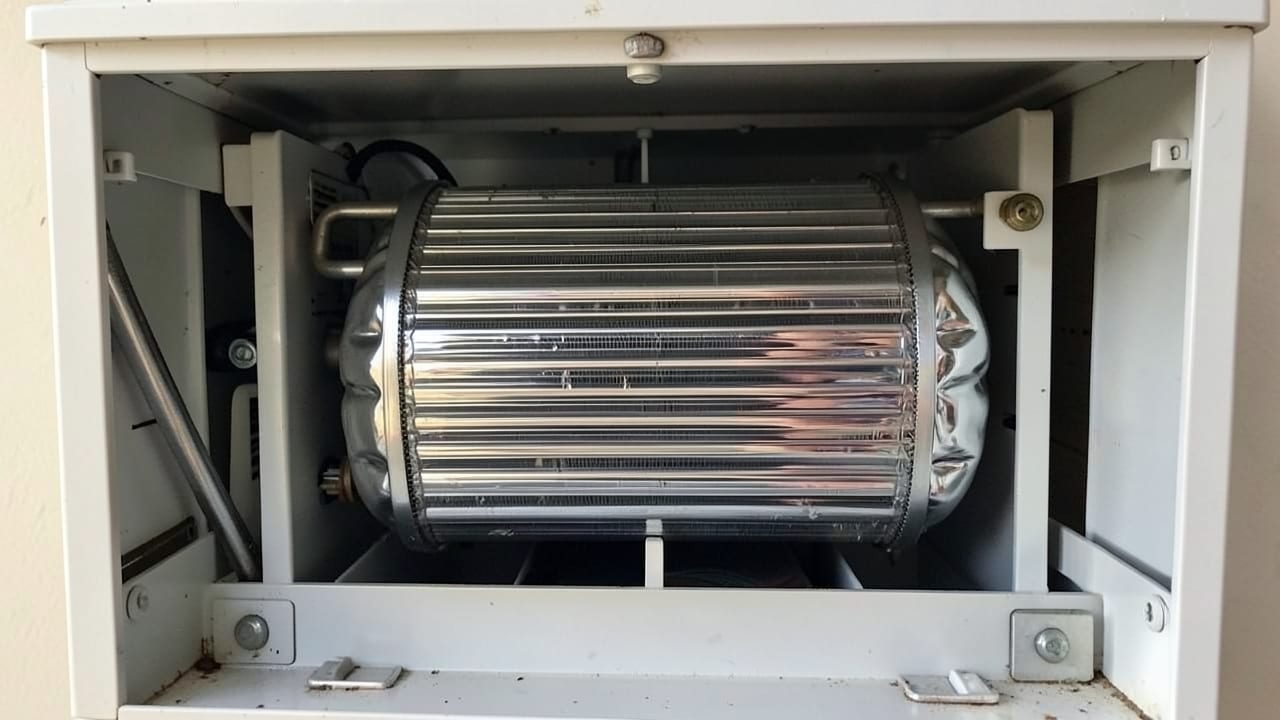
Evaporator Coil Cleaning
Professional cleaning of HVAC evaporator coils to remove dirt, dust, and debris for improved airflow and efficiency.
Evaporator coil cleaning in Ashland, OR improves your HVAC system’s efficiency by removing built-up dirt, dust, and microbial growth from the indoor evaporator coil. This restores proper heat exchange, enhances cooling performance, and reduces energy costs while preventing strain on your system.
A thorough cleaning also addresses hidden duct issues that can affect air quality and airflow in your home.
We also handle Pet Dander Duct Removal and Salt Air Corrosion Duct Treatment for Ashland properties.
Why your evaporator coil needs cleaning
A dirty evaporator coil forces your HVAC system to work harder, increasing energy bills and shortening the lifespan of your unit. Over time, dust, pet dander, and microbial buildup restrict airflow, reducing cooling efficiency by up to 30% in severe cases.
Ashland’s dry climate can accelerate dust accumulation, making regular coil maintenance especially important for homes in the region.
Signs your coil needs cleaning include weak airflow from vents, higher-than-usual energy bills, or a musty odor when your system runs.
If you notice dust puffing from vents shortly after turning on your AC, or if dust resettles unusually fast in certain rooms, it’s a clear indicator that debris is being pushed through your ducts rather than being filtered out.
Signs Your Evaporator Coil Needs Cleaning
- A visible layer of dust reappears on furniture within days of cleaning, especially near supply vents.
- Musty or stale smells that appear *only* when the HVAC system is running, but fade when it’s off.
- Weak airflow from registers, even after replacing the air filter or checking for blockages.
- Higher-than-usual energy bills during peak cooling months, with no other obvious changes in usage.
- Gray film or buildup on register grilles that returns quickly after wiping.
What affects pricing and timing?
The cost of evaporator coil cleaning in Ashland varies based on the scope of the job, the condition of your ductwork, and whether the coil needs to be removed for a deep clean.
In-place cleaning for a typical 2-3 ton residential system usually falls within a predictable range, but additional factors—like mold remediation or disconnected flex ducts—can change the total.
How often you need this service depends on your household’s dust load, pet shedding, and air filter maintenance. A clogged filter forces more dust into your ducts, accelerating buildup. Sealing gaps in ductwork and keeping registers clean between services can extend the time between professional cleanings.
Common missteps to avoid
Skipping a camera inspection before cleaning can leave hidden issues untreated, while sealing registers during the process prevents dust from blowing back into your home. Aggressive brushing of flex ducts risks disconnecting loose joints, which can send conditioned air into wall cavities instead of your living space.
Overlooking moisture control after cleaning is another pitfall. Applying biocides or moisture treatments without proper drying can create ideal conditions for mold regrowth inside your ducts. Always ask how excess moisture will be managed post-service.
A price far below market rates may indicate a shop-vac-only clean (less effective than negative-pressure HEPA extraction). Avoid quotes that don’t specify whether they cover main trunk lines, HVAC coils, or just visible vents. Always confirm if a before-and-after inspection is included—without it, you can’t verify what was actually removed.
How evaporator coil cleaning works
A professional service begins with an inspection and ends with airflow verification—here’s what happens in between.
- 1System Inspection
A camera or mirror is used to inspect supply and return ducts, identifying concentrated dust, debris, or biological growth. This step ensures the crew knows exactly where agitation and cleaning are needed.
- 2Register Sealing and Negative-Pressure Setup
Non-working registers are sealed, and a HEPA-filtered vacuum is connected to the system. This pulls dislodged dust into the collection unit instead of dispersing it into your home through open vents.
- 3Mechanical Agitation
A rotary brush or compressed-air whip is run through each duct section to knock loose compacted dust. This step is critical because suction alone can’t remove dust that’s been settled for years.
- 4HEPA Vacuum Extraction
Dislodged debris is pulled into the vacuum system, where HEPA filtration captures fine particulates on-site. This prevents recirculation of dust back into your living space.
- 5Airflow Verification
After reassembling the system, airflow is checked at multiple registers to confirm improvements. This ensures the cleaning actually enhanced circulation rather than just redistributing dust.
Frequently asked questions
How do I know if my evaporator coil needs cleaning?
Watch for weak airflow from vents, higher energy bills, or dust puffing from registers when your system first turns on. A musty smell that appears *only* while the HVAC runs is another key sign of coil or duct buildup.
Will cleaning my evaporator coil improve my air quality?
Yes, but only if the service includes HEPA vacuum extraction and addresses microbial growth. A basic shop-vac clean may move dust around without removing it, while a thorough job captures fine particulates and reduces allergens in your home.
How often should I schedule this service for my Ashland home?
There’s no one-size-fits-all answer—it depends on your household’s dust load, pets, and filter maintenance. Industry guidelines range from once a year to every five years, but homes with pets or high dust levels may need it more frequently.
Can I clean my evaporator coil myself, or should I hire a pro?
DIY cleaning risks damaging the coil or missing hidden debris. Professionals use specialized tools (like rotary brushes and HEPA vacuums) and inspections to ensure thorough removal of dust and microbial growth without causing further issues.
Where Ashland sits, and what the Census lists nearby
Ashland sits in Oregon, and the closest places listed in the U.S. Census Gazetteer are Talent (5.4 miles northwest), Phoenix (8.3 miles northwest), Medford (12.7 miles northwest), Jacksonville (16.2 miles northwest). Within 25 miles of Ashland the same source lists 10 distinct incorporated places and census-designated places.
Those figures matter for evaporator coil cleaning because they are straight-line distances between Census coordinate points: road mileage between Ashland and Talent runs longer than the 5.4 miles shown, which is why quotes for the same job differ between towns that look close together on a map.
Source: U.S. Census Bureau Gazetteer.
See Green Springs, OR for more, or browse our full crew's Ashland services step by step for our complete lineup.
Ready to get started?
Talk to a local air duct cleaning pro in Ashland — get a written quote.
Other Air Duct Cleaning Services in Ashland
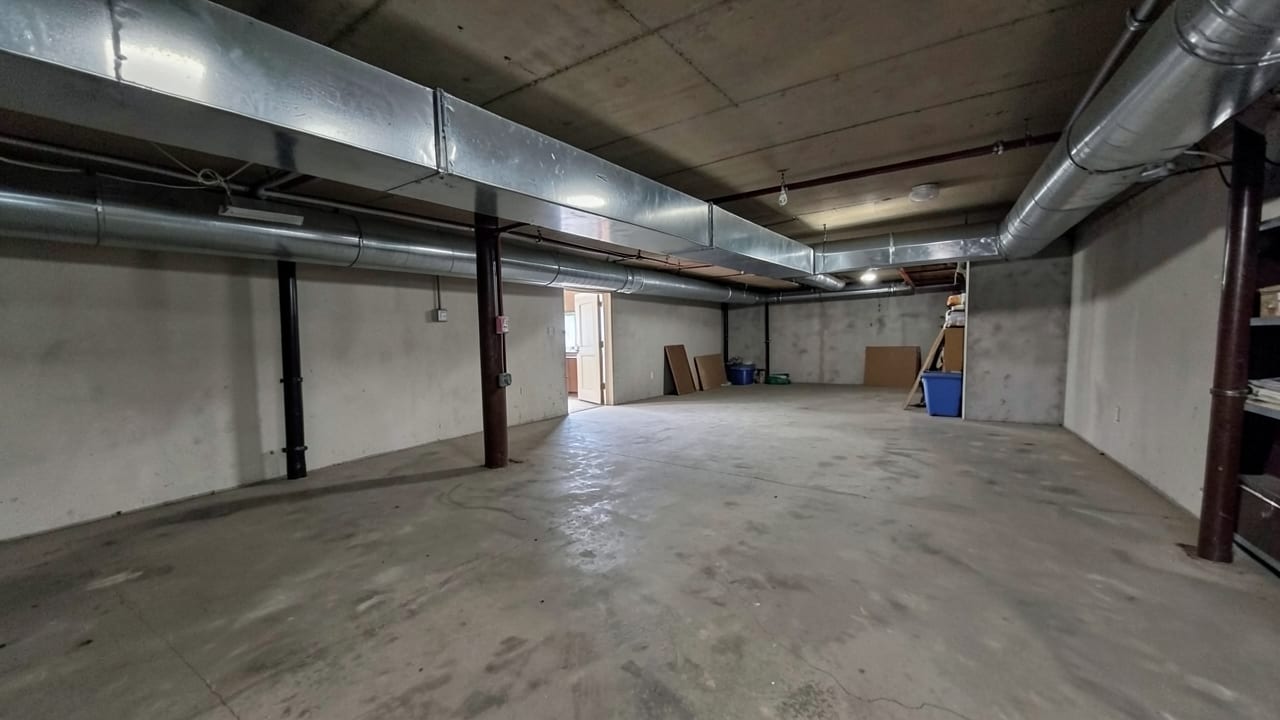
Pet Dander Duct Removal in Ashland, OR
Professional removal of pet dander and allergens from HVAC ductwork to improve indoor air quality.
Learn More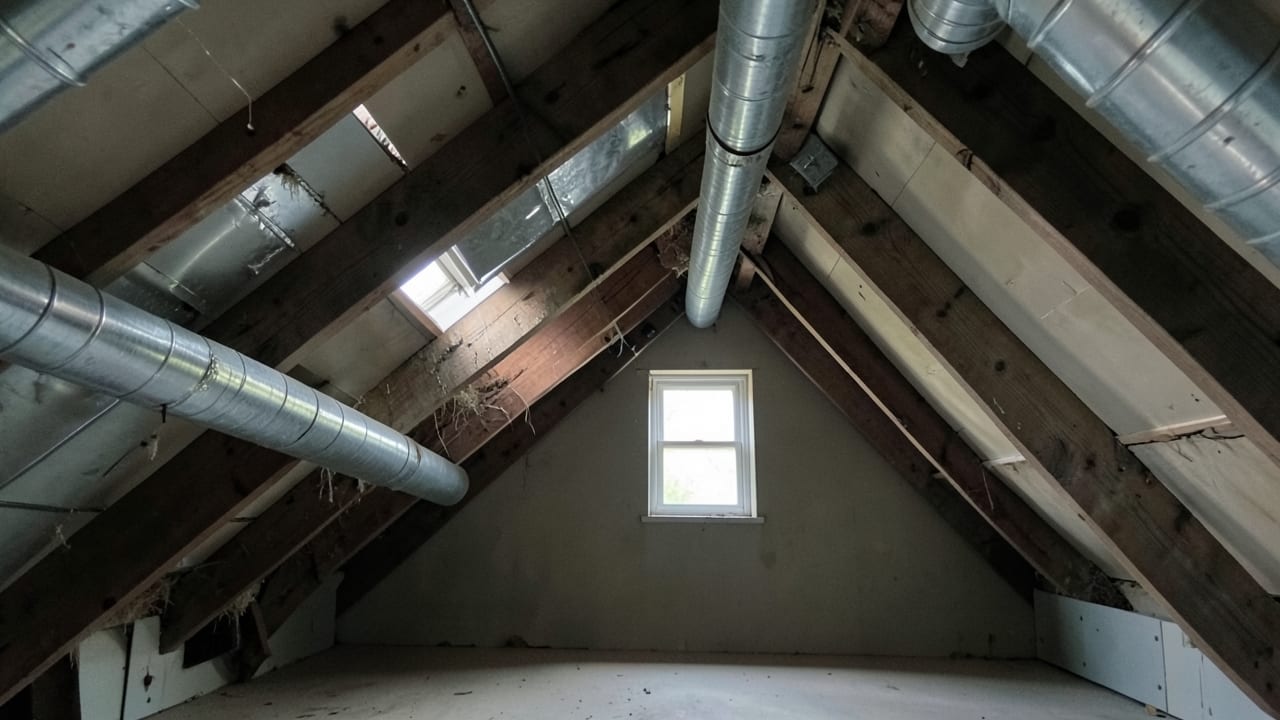
Salt Air Corrosion Duct Treatment in Ashland, OR
Application of protective treatment to air ducts to prevent salt air corrosion in coastal areas.
Learn More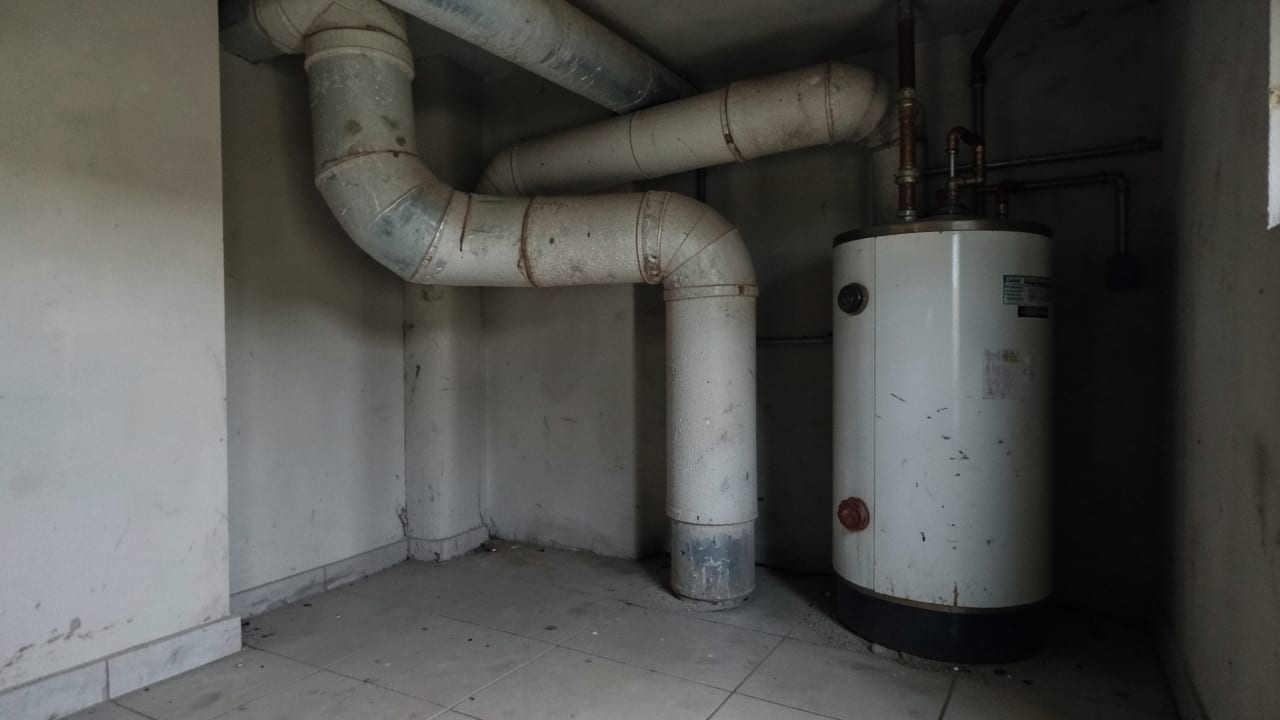
Hard Water Mineral Duct Cleaning in Ashland, OR
Removal of mineral buildup from HVAC ducts caused by hard water to improve airflow and system efficiency.
Learn More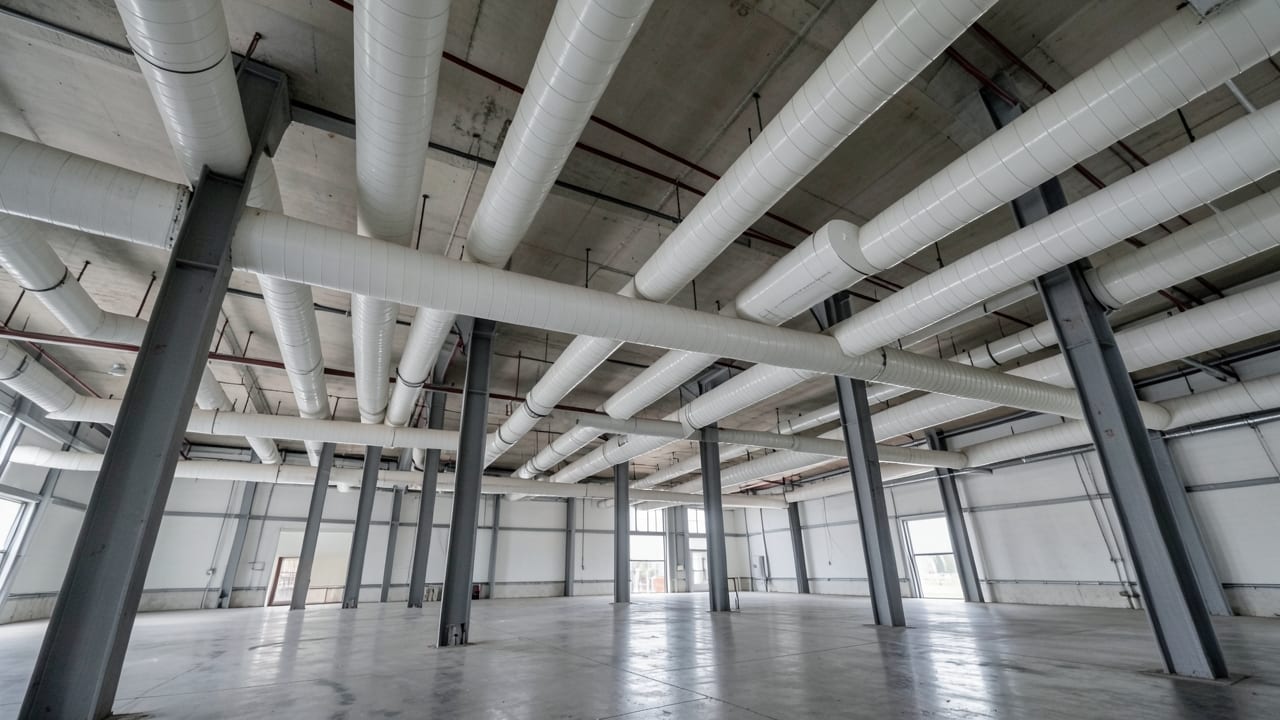
Algae Biofilm Duct Cleaning in Ashland, OR
Removal of algae and biofilm buildup from HVAC ductwork to improve airflow and air quality.
Learn More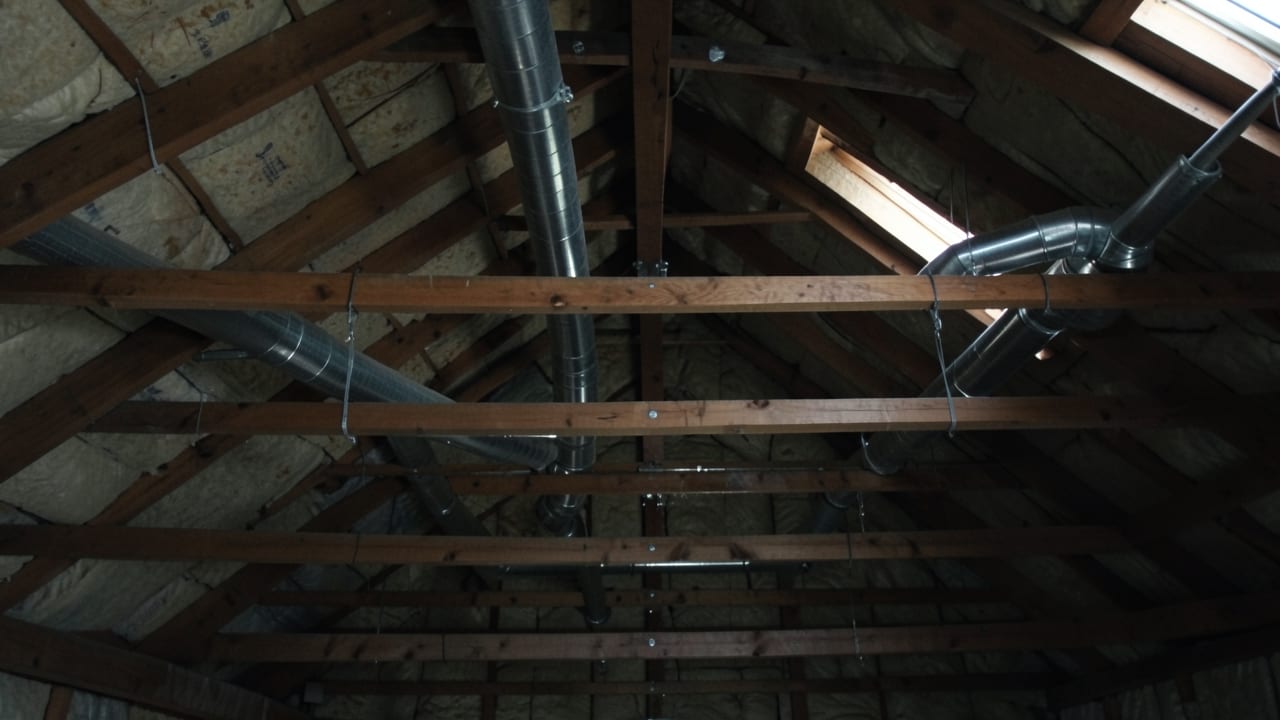
Pest Infestation Duct Sanitization in Ashland, OR
Professional cleaning and sanitization of air ducts to remove pest infestations and contaminants.
Learn More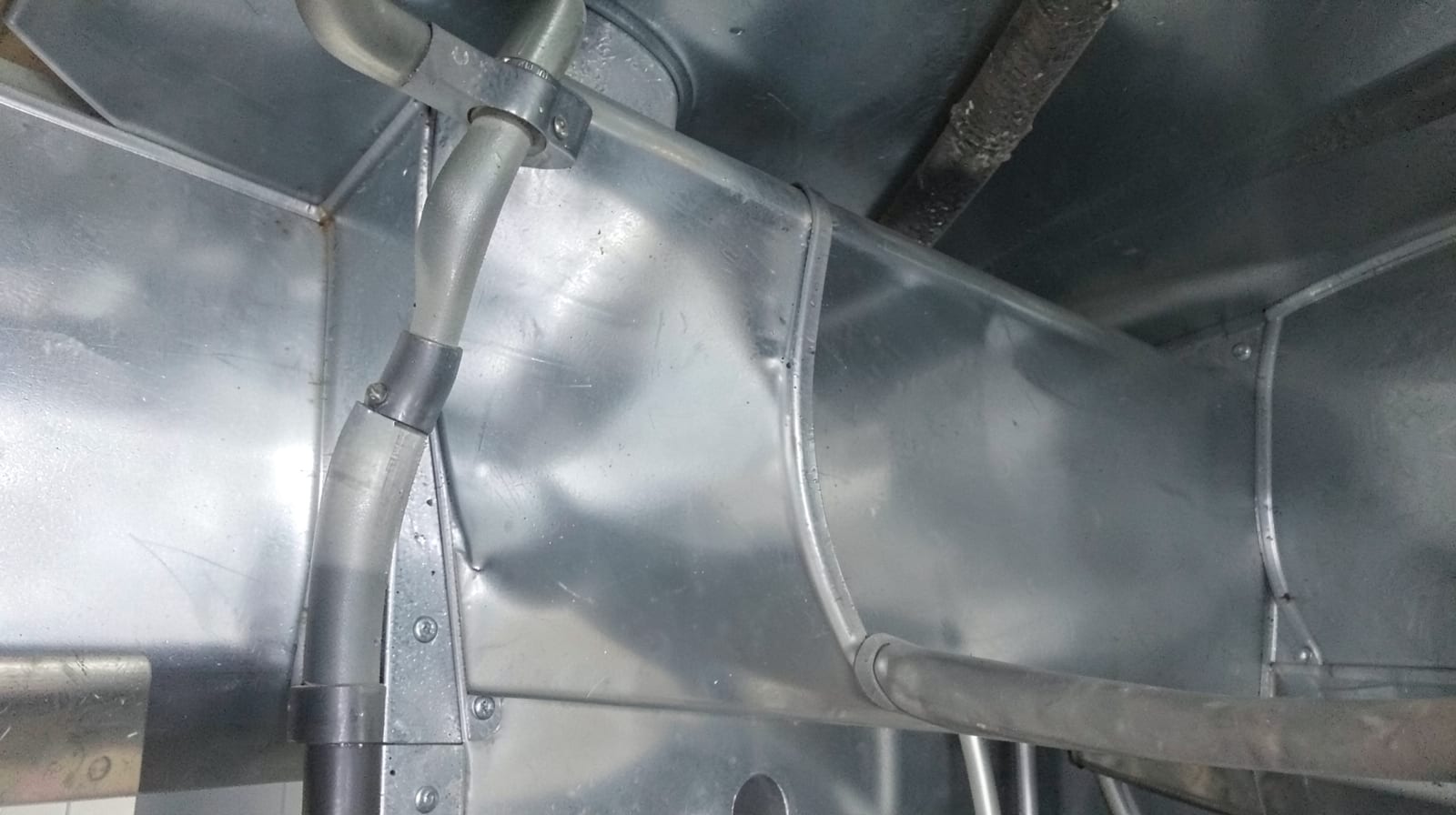
Air Duct Cleaning in Ashland, OR
Whole-system air duct cleaning in Ashland, OR — removes moisture and mildew from supply and return ductwork using NADCA-standard negative-air-pressure equipment.
Learn MoreCommon Questions About Air Duct Cleaning in Ashland
Everything you need to know about air duct cleaning services in Ashland
How much does Evaporator Coil Cleaning typically cost in Ashland, OR?
What local factors get checked before recommending duct cleaning in Ashland, OR?
Does dirty ductwork actually cause allergy or respiratory symptoms?
Can air ducts be cleaned with a household vacuum instead of hiring it out?
Is duct cleaning ever covered by a home warranty or insurance policy?
What's the actual difference between duct cleaning and dryer vent cleaning?
Need Air Duct Cleaning in Ashland?
Get a written quote from our Ashland crew.
⏰ We answer your call • Serving all of Ashland and surrounding areas