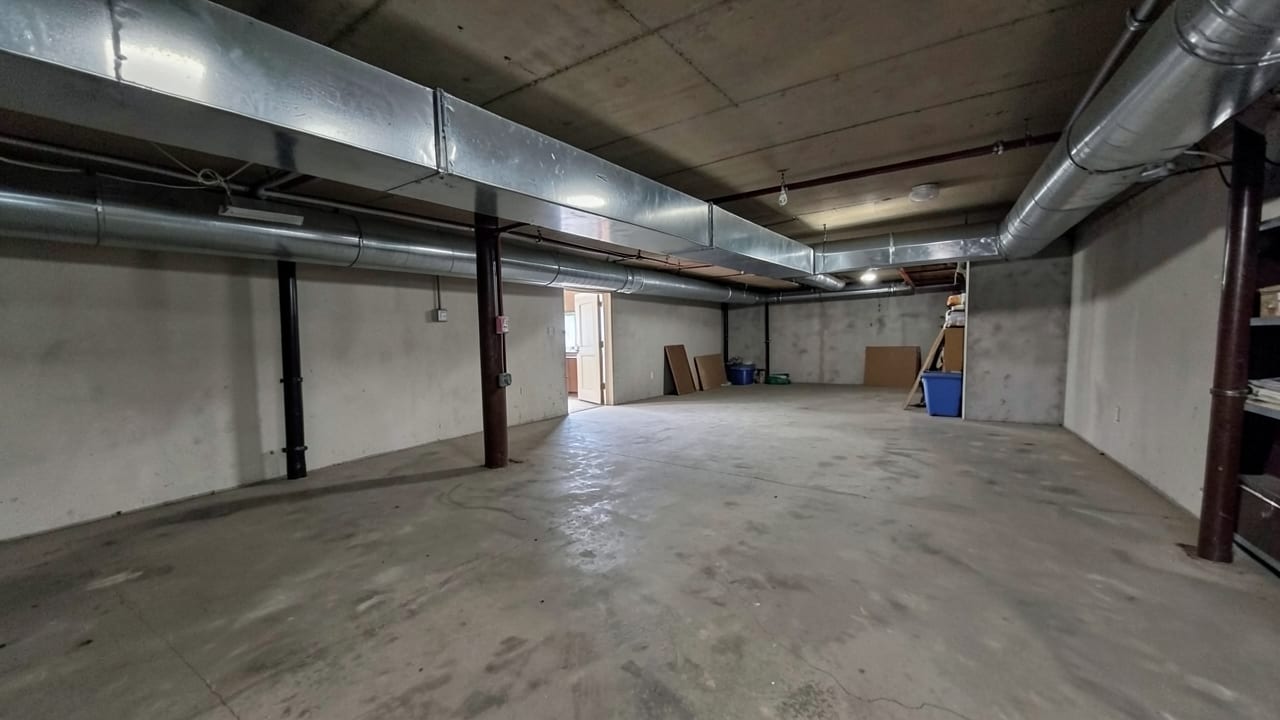
Pet Dander Duct Removal
Professional removal of pet dander and allergens from HVAC ductwork to improve indoor air quality.
Pet dander duct removal in Ashland, OR, targets the fur, skin flakes, and allergens from pets that accumulate in HVAC systems over time. These particles circulate through your vents, degrading air quality and worsening allergies.
A thorough cleaning process removes built-up contaminants, improving the health of your home’s air and comfort for your family.
We also handle Blower Motor Cleaning and Evaporator Coil Cleaning for Ashland properties.
Why pet dander builds up in ducts
Pet dander, fur, and skin flakes are lightweight but persistent, clinging to duct walls and settling into crevices over time. Unlike general dust, pet allergens are microscopic and can trigger respiratory issues even when invisible.
When your HVAC system runs, these particles get redistributed throughout your home, making them harder to eliminate through regular cleaning alone.
The problem often starts subtly—dust puffs when the system turns on, a musty smell while it’s running, or dust reappearing quickly on surfaces near vents. These signs indicate that pet dander is actively being pushed into living spaces rather than staying contained in the ducts.
Signs You Need Pet Dander Duct Removal
- A visible layer of dust or pet hair reappears on furniture within days of cleaning, especially near supply vents.
- A musty or stale smell is noticeable only when the HVAC system is running, fading once it turns off.
- Dust or pet hair visibly blows out of vents when the system first kicks on, even if the air filter is clean.
- Allergy symptoms worsen when the system is running, or you notice more sneezing, itching, or congestion in certain rooms.
How often should you schedule this service?
There’s no one-size-fits-all answer for how often pet dander duct removal is needed, as it depends on factors like pet type, shedding habits, and how well your home’s air filtration system is maintained.
However, skipping regular maintenance—like changing air filters every 1–3 months—can accelerate buildup, forcing more dust into the ducts.
Industry guidelines vary widely, from annual cleanings to every five years, but the real factor is how quickly new contaminants enter the system. Sealing gaps in ductwork and keeping registers clean between services can extend the time between deep cleanings.
What affects the cost and scope?
Pricing for pet dander duct removal depends on whether the service covers the entire HVAC system or just visible vents, the method used (negative-pressure HEPA extraction vs. shop-vac at vents), and whether additional treatments like biocide or mold remediation are needed.
A flat-rate quote should specify whether it includes trunk lines, coils, and blower components—or only individual vents.
Hidden costs can arise if the inspection reveals mold, pest contamination, or disconnected duct sections that need repair. Always ask for a detailed breakdown before agreeing to bundled add-ons like UV-light treatments, which may not be necessary for pet dander alone.
| Factor | Impact on Cost/Service |
|---|---|
| Pricing model (flat-rate vs. per-vent) | Flat-rate covers whole system; per-vent can add up quickly for large homes. |
| Method (negative-pressure HEPA vs. shop-vac) | HEPA extraction removes more debris but costs more than vent-level cleaning. |
| Included components (trunk lines, coils, blower) | Full-system cleaning costs more but prevents future issues. |
| Additional treatments (biocide, mold remediation) | Only needed if inspection reveals contamination; adds to the base price. |
How pet dander duct removal works
A thorough cleaning follows a structured process to ensure pet allergens are removed safely and effectively.
- 1System Inspection
A camera or mirror inspection identifies concentrated dust, debris, or biological growth in supply and return ducts before cleaning begins. This step ensures targeted agitation where buildup is worst.
- 2Register and Vent Sealing
Non-active registers are sealed, and a negative-pressure unit is connected to pull dislodged dust into a HEPA-filtered collection system, preventing it from blowing back into living spaces.
- 3Mechanical Agitation
Rotary brushes or compressed-air whips loosen compacted dander and dust from duct walls, as suction alone can’t remove deeply embedded particles.
- 4HEPA Vacuum Extraction
Dislodged material is captured on-site by a HEPA-filtered system, ensuring fine particulate isn’t recirculated into the home.
- 5Airflow Verification
After reassembly, airflow is checked at multiple registers to confirm improved circulation, not just redistributed dust.
Frequently asked questions
How do I know if my ducts need cleaning for pet dander specifically?
Look for dust puffs when the HVAC turns on, a musty smell while the system runs, or pet hair/dander reappearing quickly near vents. These signs point to pet allergens being pushed into living spaces.
Will sealing gaps in my ductwork help between cleanings?
Yes. Gaps where ducts connect to registers or join in unfinished spaces let dust and pet hair bypass filters and settle inside the system faster. Sealing these reduces how often deep cleaning is needed.
Can I do a partial cleaning myself, like just the visible vents?
Cleaning registers and grilles helps with surface dust, but pet dander deep in ducts requires professional agitation and extraction. Partial cleaning may just move contaminants around without removing them fully.
Why does my HVAC smell musty even after a cleaning?
A musty smell during operation often means moisture or biological growth is trapped in ducts. If the smell fades when the system turns off, it’s likely coming from inside the ducts—not a general household odor.
Where Ashland sits, and what the Census lists nearby
Ashland sits in Oregon, and the closest places listed in the U.S. Census Gazetteer are Talent (5.4 miles northwest), Phoenix (8.3 miles northwest), Medford (12.7 miles northwest), Jacksonville (16.2 miles northwest). Within 25 miles of Ashland the same source lists 10 distinct incorporated places and census-designated places.
Those figures matter for pet dander duct removal because they are straight-line distances between Census coordinate points: road mileage between Ashland and Talent runs longer than the 5.4 miles shown, which is why quotes for the same job differ between towns that look close together on a map.
Source: U.S. Census Bureau Gazetteer.
See Wimer, OR for more, or check out everything on offer in Ashland step by step for our complete lineup.
Ready to get started?
Talk to a local air duct cleaning pro in Ashland — get a written quote.
Other Air Duct Cleaning Services in Ashland
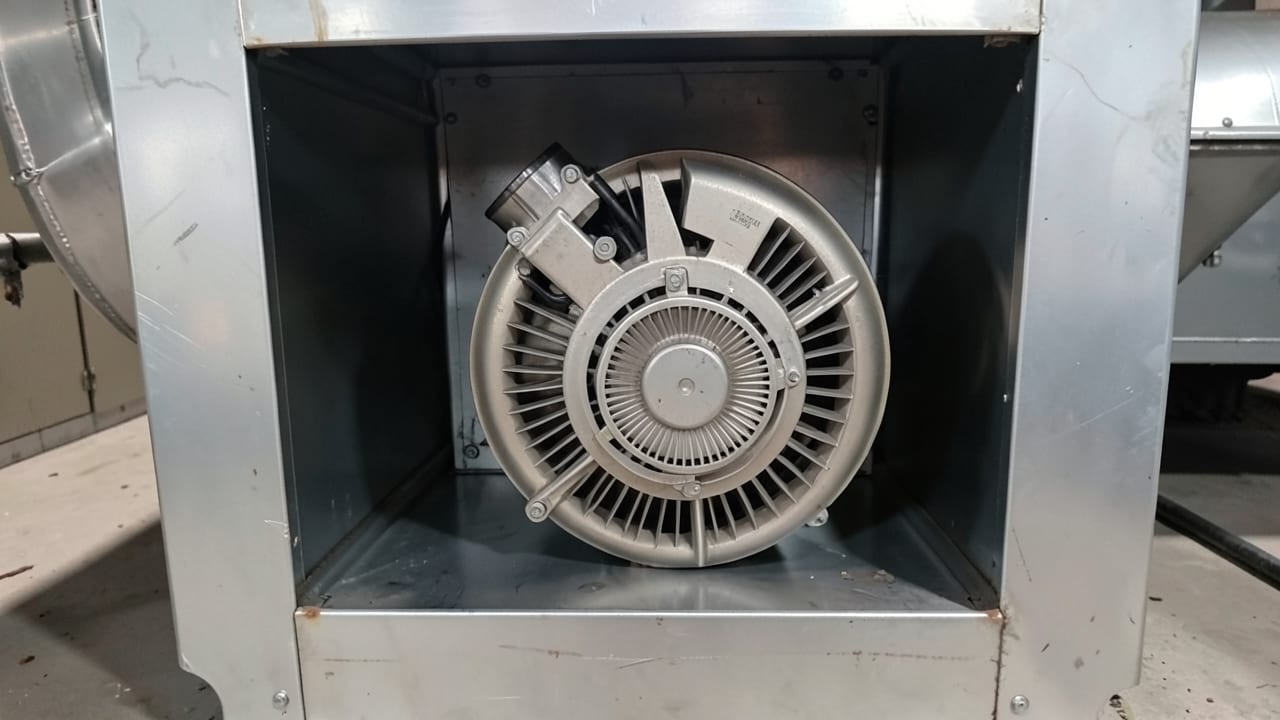
Blower Motor Cleaning in Ashland, OR
Professional cleaning of the blower motor in HVAC systems to improve airflow and efficiency.
Learn More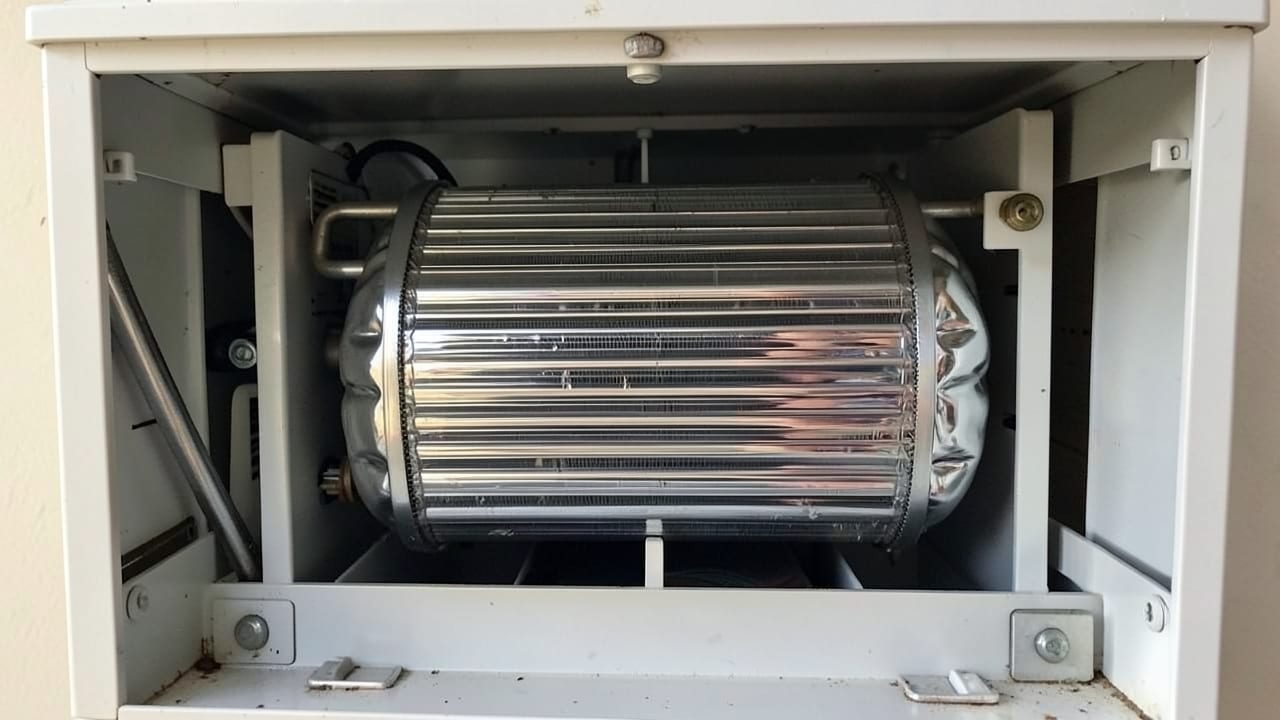
Evaporator Coil Cleaning in Ashland, OR
Professional cleaning of HVAC evaporator coils to remove dirt, dust, and debris for improved airflow and efficiency.
Learn More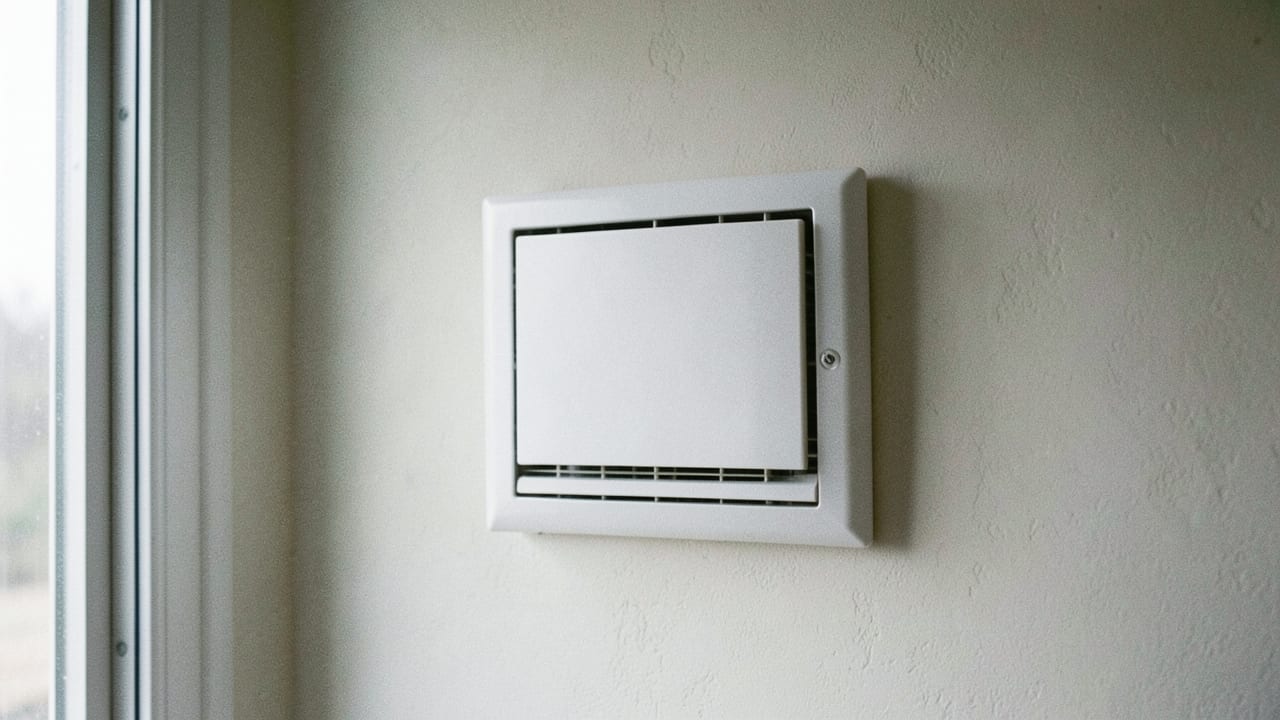
Vent Cover Cleaning in Ashland, OR
Professional cleaning of vent covers to improve airflow and indoor air quality.
Learn More
Aluminum Duct Cleaning in Ashland, OR
Professional cleaning of aluminum ductwork to remove dust, debris, and contaminants from HVAC systems.
Learn More
Galvanized Duct Cleaning in Ashland, OR
Professional cleaning of galvanized air ducts to remove dust, debris, and contaminants from HVAC systems.
Learn More
Stainless Steel Duct Cleaning in Ashland, OR
Professional cleaning of stainless steel ductwork to remove dust, debris, and contaminants from HVAC systems.
Learn MoreCommon Questions About Air Duct Cleaning in Ashland
Everything you need to know about air duct cleaning services in Ashland
How much does Pet Dander Duct Removal typically cost in Ashland, OR?
What local factors get checked before recommending duct cleaning in Ashland, OR?
Does the cleaning process release dust into the rest of the home?
How long does a typical air duct cleaning appointment take?
Can duct cleaning damage older or fragile ductwork?
Does duct cleaning include the coils and blower compartment, or only the ducts themselves?
Need Air Duct Cleaning in Ashland?
Get a written quote from our Ashland crew.
⏰ We answer your call • Serving all of Ashland and surrounding areas