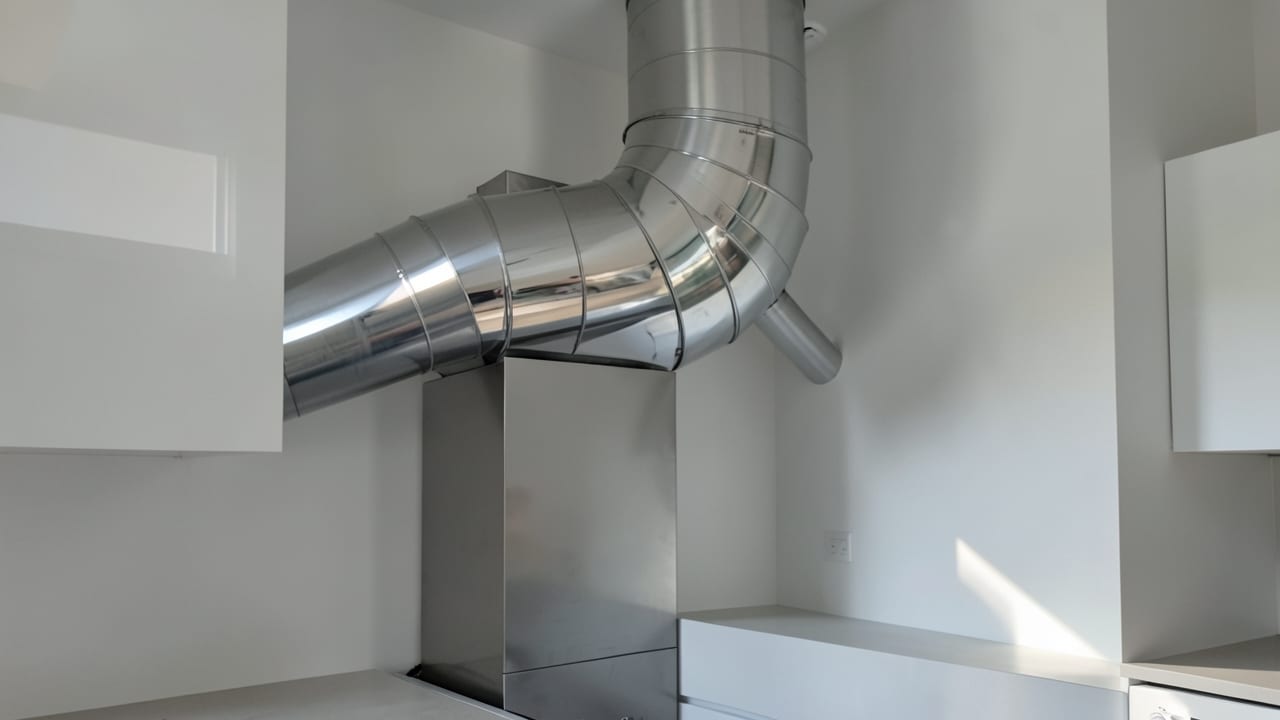
Stainless Steel Duct Cleaning
Professional cleaning of stainless steel ductwork to remove dust, debris, and contaminants from HVAC systems.
Stainless steel duct cleaning in Ashland, OR removes deep-seated dust, allergens, and debris from your HVAC system’s ductwork. Specialized tools and HEPA filtration ensure thorough cleaning, improving airflow and indoor air quality for your home.
This targeted service addresses the unique challenges of stainless steel ducts, which require careful agitation to dislodge compacted buildup without damaging the material.
We also handle Air Duct Cleaning and Dryer Vent Cleaning for Ashland properties.
When to consider stainless steel duct cleaning
Duct problems often reveal themselves through subtle but persistent signs in your living spaces. A visible puff of dust when your HVAC system first turns on, or dust that resettles on furniture within days of cleaning, suggests debris is being actively delivered through your vents.
Similarly, a musty or stale odor that fades once the system shuts off points to biological growth or trapped moisture inside the ducts.
Another red flag is a room that collects dust noticeably faster than others, or a fine gray film reappearing on register grilles shortly after cleaning. These signs indicate dust is being pushed into the room rather than settling naturally.
If you’ve noticed any of these patterns, a professional inspection and cleaning may be necessary to restore efficient airflow and cleaner air.
Signs Your Stainless Steel Ducts Need Cleaning
- Dust puffs or visible debris when the HVAC system first kicks on
- Musty or stale odors that disappear once the system turns off
- Dust resettling on furniture within days of cleaning
- A room accumulating dust faster than others in the same house
- Gray film or buildup reappearing on register grilles shortly after cleaning
What affects pricing and timing?
The cost and frequency of duct cleaning depend more on your household’s specific conditions than a one-size-fits-all schedule.
Factors like pet shedding, household dust sources, and how often you change your air filter play a larger role than industry recommendations, which range widely from once a year to once every five years.
A clogged filter, for example, forces far more dust into the ductwork than a fresh one, accelerating buildup between cleanings.
Sealing gaps where ducts connect to registers or join in unfinished spaces also reduces how quickly dust re-enters the system. Regularly vacuuming registers and return grilles helps prevent surface dust from being pulled back into the ducts.
These habits can extend the time between professional cleanings, but there’s no universal interval—what works for one home may not apply to yours.
What to watch for during the service
Not all duct cleaning methods deliver the same results. A proper stainless steel duct cleaning uses mechanical agitation—like rotary brushes or compressed-air whips—to dislodge compacted dust, followed by HEPA vacuum extraction to capture the debris.
Skipping this step or using only suction can leave behind stubborn buildup. Additionally, sealing off unused registers during the process prevents dislodged dust from blowing back into your home.
After cleaning, airflow should be verified at multiple registers to confirm the work improved circulation. A disconnected flex duct or improper sealing can lead to conditioned air leaking into wall cavities or attics, wasting energy and reducing efficiency.
Always ask for a before-and-after inspection to ensure the debris was fully removed.
Dust escaping through open registers during cleaning spreads the problem instead of solving it. Excess moisture or biocide treatments left undried can promote new microbial growth. And aggressive brushing without inspection may disconnect flex duct sections, causing hidden airflow leaks.
How stainless steel duct cleaning works
This process ensures thorough cleaning while protecting your ductwork’s integrity.
- 1System Inspection
A camera or mirror inspection identifies concentrated dust, debris, or biological growth in supply and return runs before any cleaning begins. This step ensures targeted agitation where it’s needed most.
- 2Register Sealing and Negative-Pressure Setup
Unused registers are sealed, and a HEPA-filtered collection unit is connected to the system. This pulls dislodged debris into the unit instead of releasing it into your home through open vents.
- 3Mechanical Agitation
Rotary brushes or compressed-air whips agitate the duct walls to loosen compacted dust. This step is critical for stainless steel ducts, where suction alone often fails to remove deep-seated buildup.
- 4HEPA Extraction and Register Cleaning
Dislodged material is captured by the HEPA system, while registers, grilles, and diffusers are cleaned separately to remove surface-level debris like pet hair.
- 5Airflow Verification
After reassembly, airflow is checked at multiple registers to confirm improved circulation. This ensures the cleaning addressed the root issue rather than just redistributing dust.
Frequently asked questions
How will I know if my stainless steel ducts actually need cleaning?
Look for dust puffs when the system turns on, musty odors that fade when the system is off, or dust resettling unusually fast in certain rooms. A gray film on register grilles that reappears quickly is another clear sign of buildup inside the ducts.
Can I clean my stainless steel ducts myself, or should I hire a professional?
DIY methods like vacuuming vents often miss deep-seated dust and may damage flex ducts. Professional cleaning uses specialized tools for mechanical agitation and HEPA extraction, ensuring thorough removal without risking leaks or disconnected sections.
What can I do between cleanings to slow down dust buildup?
Change your air filter every 1–3 months, seal gaps where ducts connect to registers, and vacuum registers and return grilles regularly. For homes with pets, grooming and frequent vacuuming at the source reduces shedding-related dust.
Will the cleaning process disrupt my home’s airflow while it’s being done?
Yes, the HVAC system will be temporarily offline during cleaning. However, sealing registers and using negative-pressure extraction minimizes dust spread, and airflow is restored once the work is complete and verified.
Where Ashland sits, and what the Census lists nearby
Ashland sits in Oregon, and the closest places listed in the U.S. Census Gazetteer are Talent (5.4 miles northwest), Phoenix (8.3 miles northwest), Medford (12.7 miles northwest), Jacksonville (16.2 miles northwest). Within 25 miles of Ashland the same source lists 10 distinct incorporated places and census-designated places.
Those figures matter for stainless steel duct cleaning because they are straight-line distances between Census coordinate points: road mileage between Ashland and Talent runs longer than the 5.4 miles shown, which is why quotes for the same job differ between towns that look close together on a map.
Source: U.S. Census Bureau Gazetteer.
See Climax, OR for more, or find out about our complete Ashland service list side by side for our complete lineup.
Ready to get started?
Talk to a local air duct cleaning pro in Ashland — get a written quote.
Other Air Duct Cleaning Services in Ashland
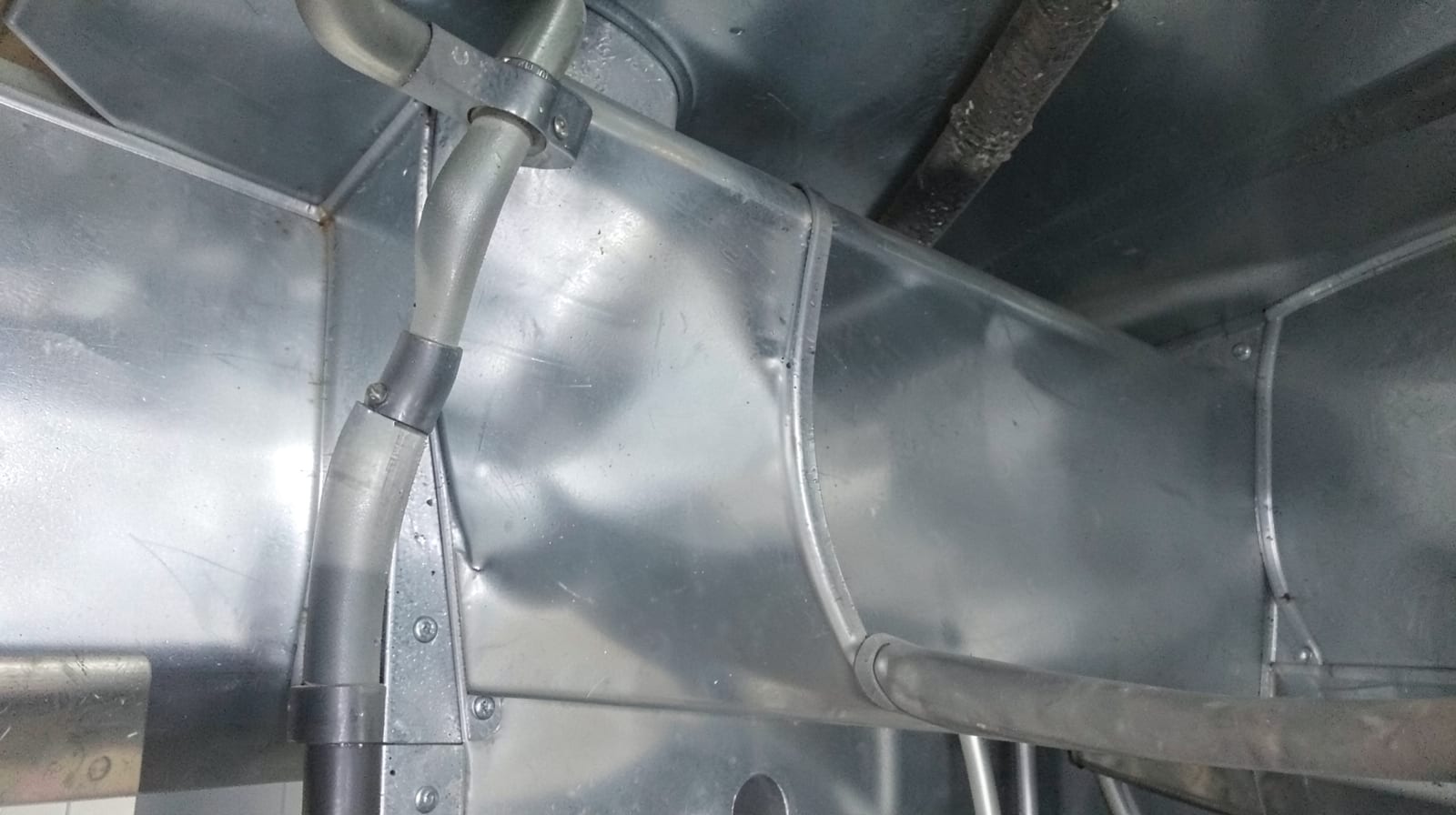
Air Duct Cleaning in Ashland, OR
Whole-system air duct cleaning in Ashland, OR — removes moisture and mildew from supply and return ductwork using NADCA-standard negative-air-pressure equipment.
Learn More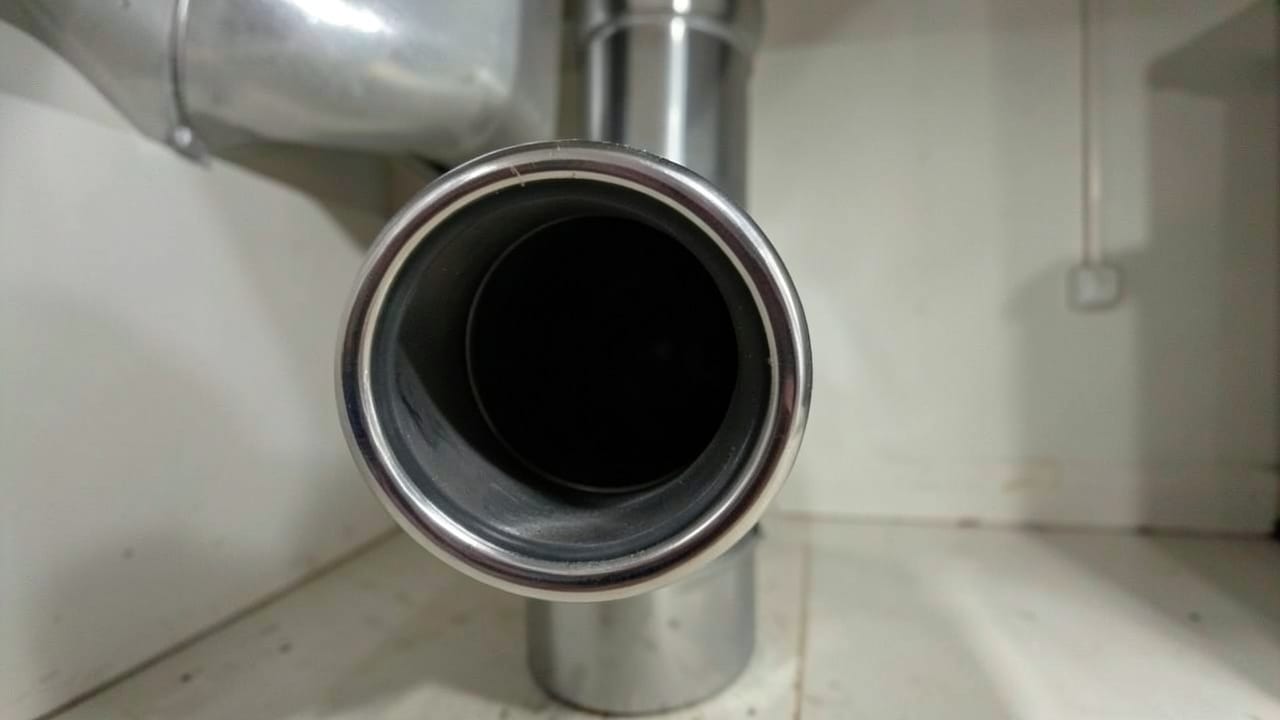
Dryer Vent Cleaning in Ashland, OR
Dryer vent cleaning in Ashland, OR clears lint buildup that restricts airflow and is a leading cause of house fires.
Learn More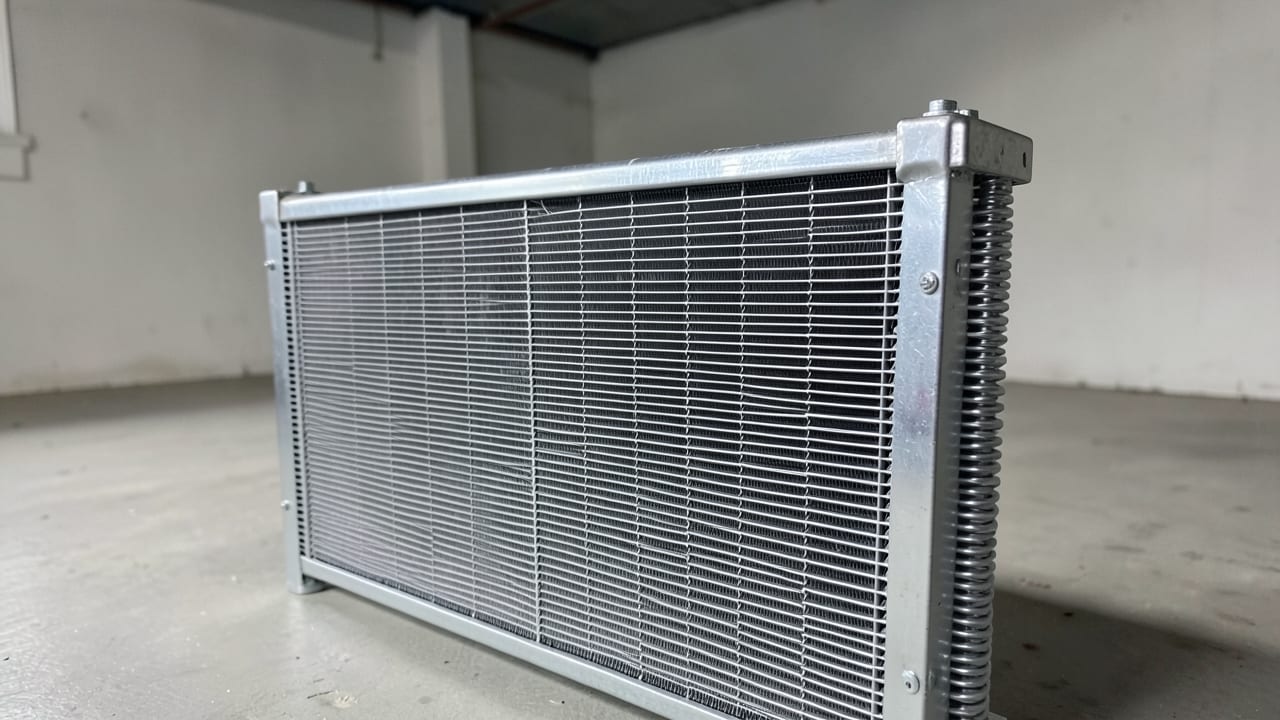
HVAC Coil Cleaning in Ashland, OR
Evaporator and condenser coil cleaning in Ashland, OR restores HVAC efficiency lost to dirty coils.
Learn More
Mold & Mildew Duct Treatment in Ashland, OR
Mold and mildew treatment for HVAC ductwork in Ashland, OR — antimicrobial application after a full duct cleaning.
Learn More
Indoor Air Quality Testing in Ashland, OR
Indoor air quality testing in Ashland, OR measures particulate levels, humidity, and allergens to identify what a home's HVAC system is actually circulating.
Learn More
Commercial Duct Cleaning in Ashland, OR
Commercial HVAC duct and rooftop unit cleaning in Ashland, OR for offices, restaurants, and retail properties.
Learn MoreCommon Questions About Air Duct Cleaning in Ashland
Everything you need to know about air duct cleaning services in Ashland
How much does Stainless Steel Duct Cleaning typically cost in Ashland, OR?
What local factors get checked before recommending duct cleaning in Ashland, OR?
Does dirty ductwork actually cause allergy or respiratory symptoms?
Can air ducts be cleaned with a household vacuum instead of hiring it out?
Is duct cleaning ever covered by a home warranty or insurance policy?
What's the actual difference between duct cleaning and dryer vent cleaning?
Need Air Duct Cleaning in Ashland?
Get a written quote from our Ashland crew.
⏰ We answer your call • Serving all of Ashland and surrounding areas