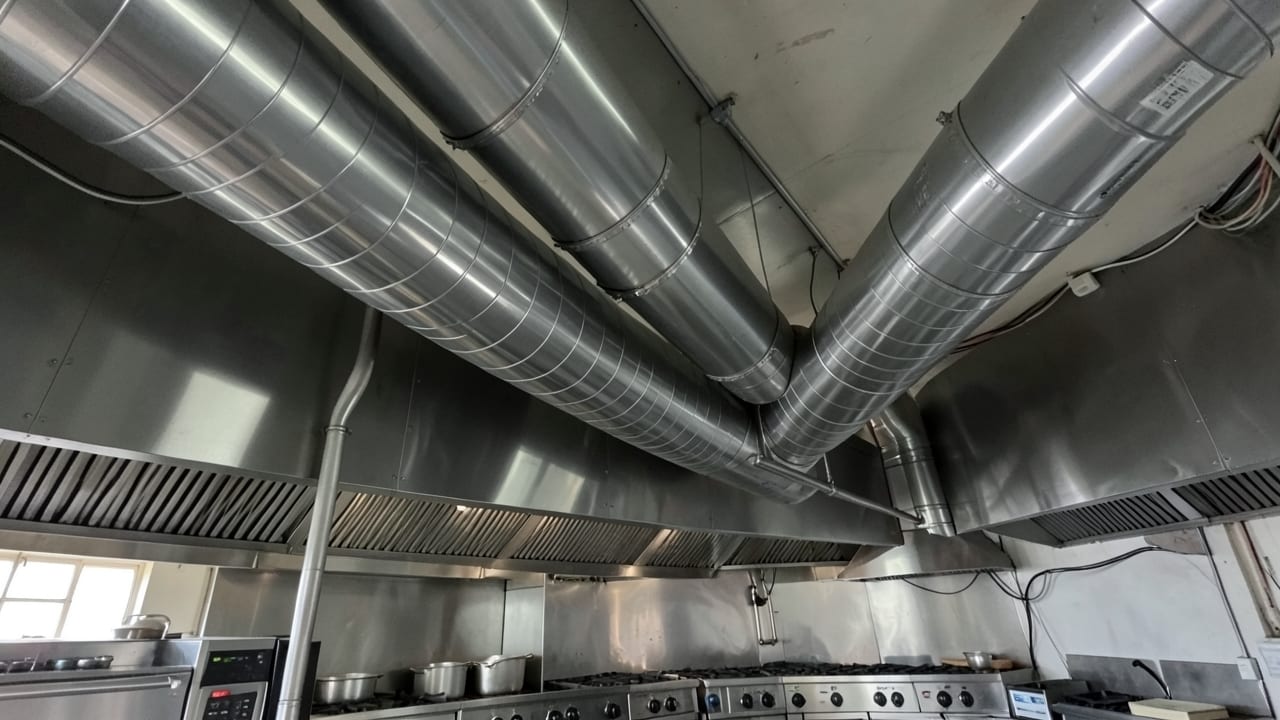
Fire Smoke Duct Deodorization
Removal of smoke residue and odors from HVAC ductwork after a fire.
After a fire in your Ashland home, lingering smoke odors and soot can cling to your HVAC ductwork, circulating through your living spaces long after the flames are out. Fire smoke duct deodorization targets these hidden contaminants, cleaning and treating your ducts to restore clean, fresh air.
This specialized service is essential for removing embedded odors and particulate that standard cleaning methods miss, ensuring your home’s air quality is fully recovered.
We also handle Basement Duct Cleaning and Crawl Space Duct Cleaning for Ashland properties.
Signs your ducts need fire smoke deodorization
Fire smoke leaves behind more than just visible soot—it embeds odors and fine particles deep in your ductwork, where they continue to circulate even after the fire is out.
Look for signs like a musty or stale smell that fades once the HVAC system turns off, or a visible layer of dust reappearing near supply vents within days of cleaning. These are direct indicators that contaminants are being actively pushed into your living spaces.
Other red flags include a puff of dust when your system first kicks on, or gray film buildup on register grilles that reappears quickly after wiping. If one room collects dust faster than others, it’s likely receiving a steady supply of particulate from the ducts.
These issues aren’t just cosmetic—they affect your health and comfort, making deodorization a critical step in full recovery.
Check for These Warning Signs
- A musty or smoke-like odor that lingers while the HVAC is running but fades when it’s off
- Dust reappearing near supply vents within days of cleaning or vacuuming
- Gray film or visible buildup on register grilles that returns after wiping
- A room collecting dust faster than others, especially near vents
- A puff of dust when the system first turns on, settling on furniture within hours
What affects pricing and timing for fire smoke deodorization
The cost and frequency of fire smoke duct deodorization depend on factors specific to your home and the severity of the contamination. Unlike general duct cleaning, which follows broad industry guidelines, fire smoke treatment is tailored to the extent of odor and particulate embedding.
Pricing models vary—some quotes are flat-rate for the whole house, while others charge per vent or register, which can lead to widely different totals for similar-sized homes.
Timing isn’t one-size-fits-all either. While industry recommendations range from once a year to once every five years, the real answer depends on your household’s conditions. Homes with pets, high humidity, or recent renovishing may need more frequent attention.
The key to long-term success lies in preventing new dust and debris from re-entering the system, which often requires addressing gaps in ductwork and maintaining air filters.
| Factor | Impact on Pricing/Timing |
|---|---|
| Pricing Model | Flat-rate (whole-house), per-vent, or per-register can change the total cost significantly |
| Ductwork Complexity | Multi-story homes or unfinished basements/attics may require more time and equipment |
| Contamination Level | Severe smoke damage or embedded odors may need additional treatments beyond standard cleaning |
| HVAC System Size | Larger systems with more vents or longer duct runs take longer to clean |
| Preventative Measures | Sealing duct gaps and changing filters regularly can extend time between cleanings |
Why standard duct cleaning isn’t enough after a fire
Fire smoke introduces contaminants that standard duct cleaning often misses. While routine cleaning removes surface dust, smoke odors and fine particulate embed deep into duct walls, requiring specialized agitation and deodorization. Without this targeted approach, lingering smells and health risks persist.
Aggressive methods like rotary brushing and HEPA vacuum extraction are necessary to dislodge and capture embedded soot and odors that standard suction alone can’t reach.
Skipping the deodorization step after a fire leaves behind a cycle of recontamination. Even if ducts look clean, residual odors and particles continue circulating, defeating the purpose of the cleaning. In Ashland’s climate, where humidity can exacerbate odor retention, addressing fire smoke properly is essential for long-term air quality.
Skipping register sealing during cleaning can let dislodged dust blow back into your living spaces. Overlooking the HVAC coils or blower during the service leaves hidden contamination untouched. And applying moisture-based treatments without proper drying can create new microbial growth inside the ducts.
How fire smoke duct deodorization works
This process goes beyond standard cleaning to target embedded odors and soot left by fire damage.
- 1System Inspection
A camera or mirror inspection identifies concentrated dust, debris, or biological growth in your supply and return ducts. This step ensures the crew knows exactly where to focus agitation and extraction efforts, avoiding unnecessary work on already-clear sections.
- 2Register and Vent Sealing
Non-working registers are sealed off, and a negative-pressure collection unit is connected to your HVAC system. This setup ensures dislodged dust is pulled into the collection unit instead of blowing out into your living spaces through open vents.
- 3Mechanical Agitation and HEPA Extraction
Rotary brushes or compressed-air whips agitate duct walls to knock loose embedded soot and dust. A HEPA-filtered vacuum then captures the dislodged material on-site, preventing it from recirculating into your home.
- 4Register and Diffuser Cleaning
Each supply and return register, grille, and diffuser is removed and cleaned separately, as these surfaces accumulate a different type of buildup—like pet hair and surface dust—than what’s deeper in the ductwork.
- 5Airflow Verification
After reassembling the system, airflow at several registers is checked against pre-cleaning levels. This confirms the work improved circulation rather than just moving dust around inside the ducts.
Frequently asked questions
How do I know if my ducts still need deodorization after a fire?
Look for signs like a lingering musty or smoke-like odor while the HVAC is running, dust reappearing near vents within days, or gray film buildup on register grilles. If one room collects dust faster than others, it’s likely receiving contaminants from the ducts. These are clear indicators that embedded odors and particles remain.
Will sealing gaps in my ductwork help prevent future buildup?
Yes. Sealing obvious gaps where ducts connect to registers or join in unfinished spaces stops dust from being pulled directly into the airstream between cleanings. This is one of the most effective ways to slow down recontamination, especially in homes with pets or high humidity.
How often should I repeat fire smoke duct deodorization after the initial cleaning?
There’s no one-size-fits-all answer—it depends on your household. Factors like pet shedding, filter maintenance, and humidity levels in Ashland play a big role. Changing your air filter every 1–3 months and sealing duct gaps can extend the time between cleanings, but industry guidance ranges from once a year to once every five years.
What’s the difference between a flat-rate and per-vent pricing model for duct cleaning?
A flat-rate covers the entire house for one price, while per-vent pricing charges based on the number of registers or vents. These models can produce very different totals for the same home, so it’s important to clarify which one is being used before comparing quotes. Always ask if the estimate includes the main trunk lines and HVAC unit coils.
Where Ashland sits, and what the Census lists nearby
Ashland sits in Oregon, and the closest places listed in the U.S. Census Gazetteer are Talent (5.4 miles northwest), Phoenix (8.3 miles northwest), Medford (12.7 miles northwest), Jacksonville (16.2 miles northwest). Within 25 miles of Ashland the same source lists 10 distinct incorporated places and census-designated places.
Those figures matter for fire smoke duct deodorization because they are straight-line distances between Census coordinate points: road mileage between Ashland and Talent runs longer than the 5.4 miles shown, which is why quotes for the same job differ between towns that look close together on a map.
Source: U.S. Census Bureau Gazetteer.
See Trail, OR for more, or see everything Ashland homeowners can book with us by neighborhood for our complete lineup.
Ready to get started?
Talk to a local air duct cleaning pro in Ashland — get a written quote.
Other Air Duct Cleaning Services in Ashland
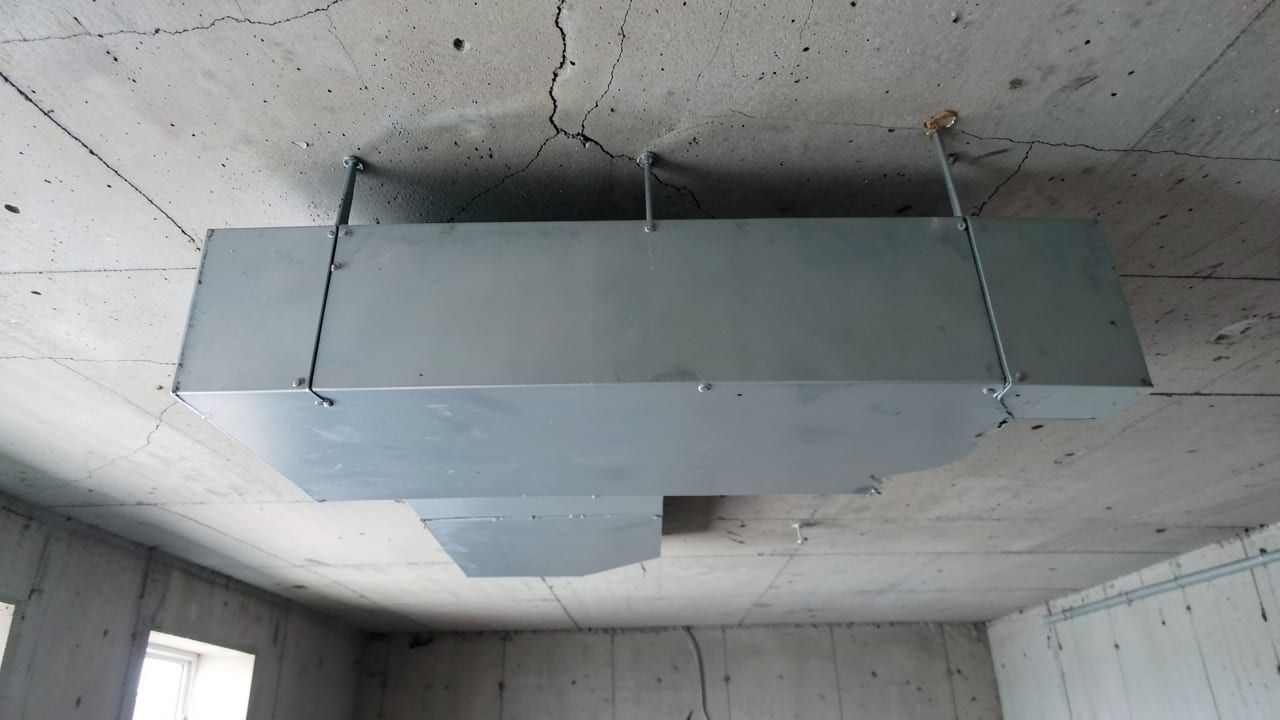
Basement Duct Cleaning in Ashland, OR
Professional cleaning of basement air ducts to remove dust, debris, and contaminants from HVAC systems.
Learn More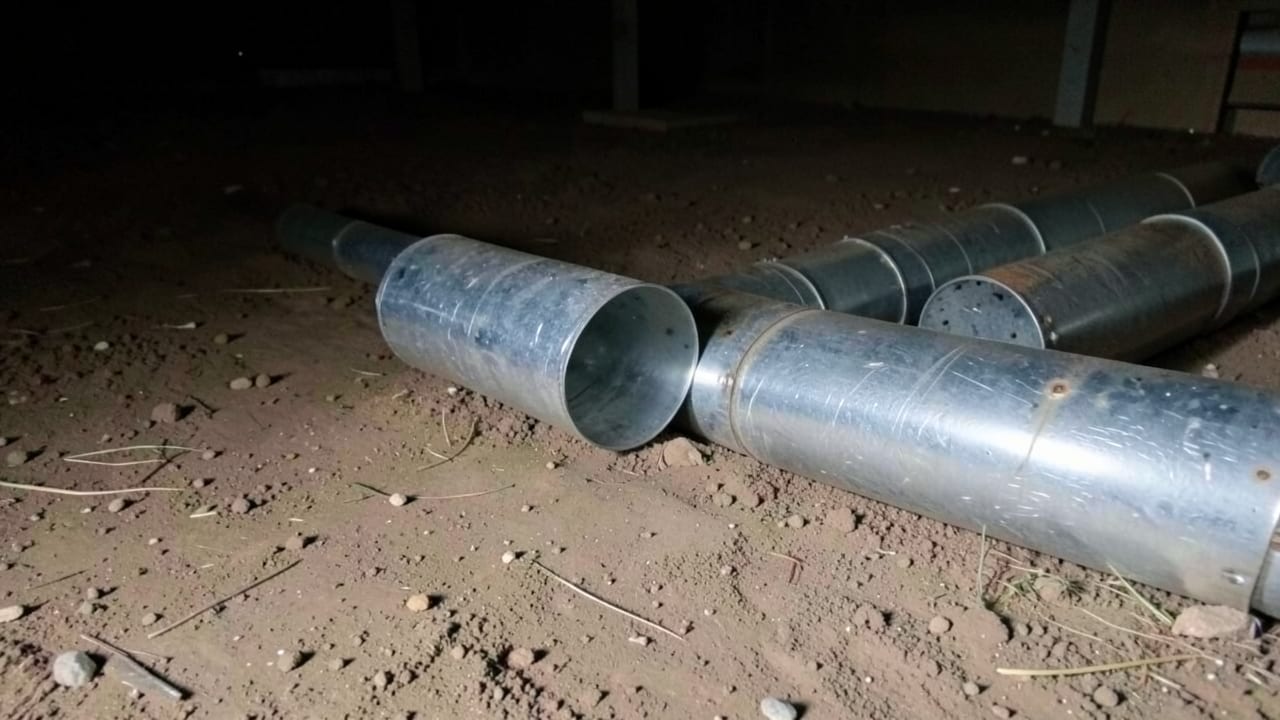
Crawl Space Duct Cleaning in Ashland, OR
Professional cleaning of ductwork in crawl spaces to improve airflow and indoor air quality.
Learn More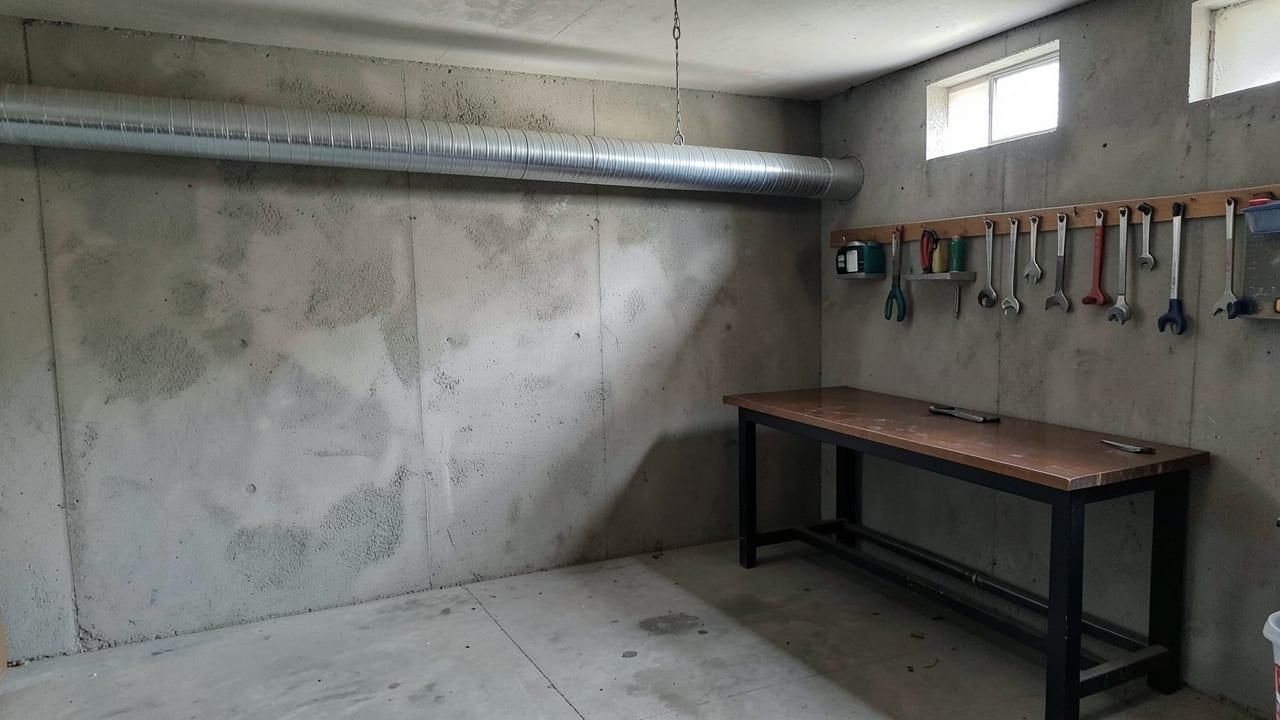
Garage Duct Cleaning in Ashland, OR
Professional cleaning of garage air ducts and HVAC components to improve airflow and indoor air quality.
Learn More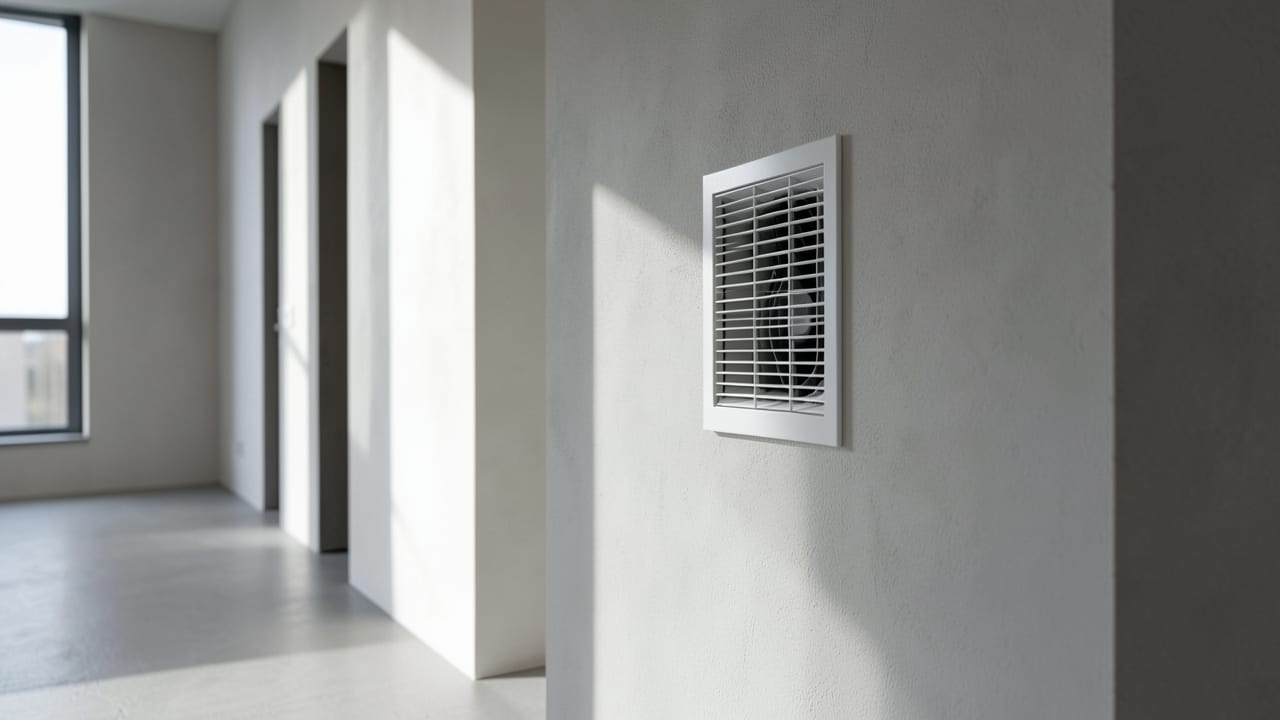
Return Vent Cleaning in Ashland, OR
Professional cleaning of return vents to improve HVAC airflow and indoor air quality.
Learn More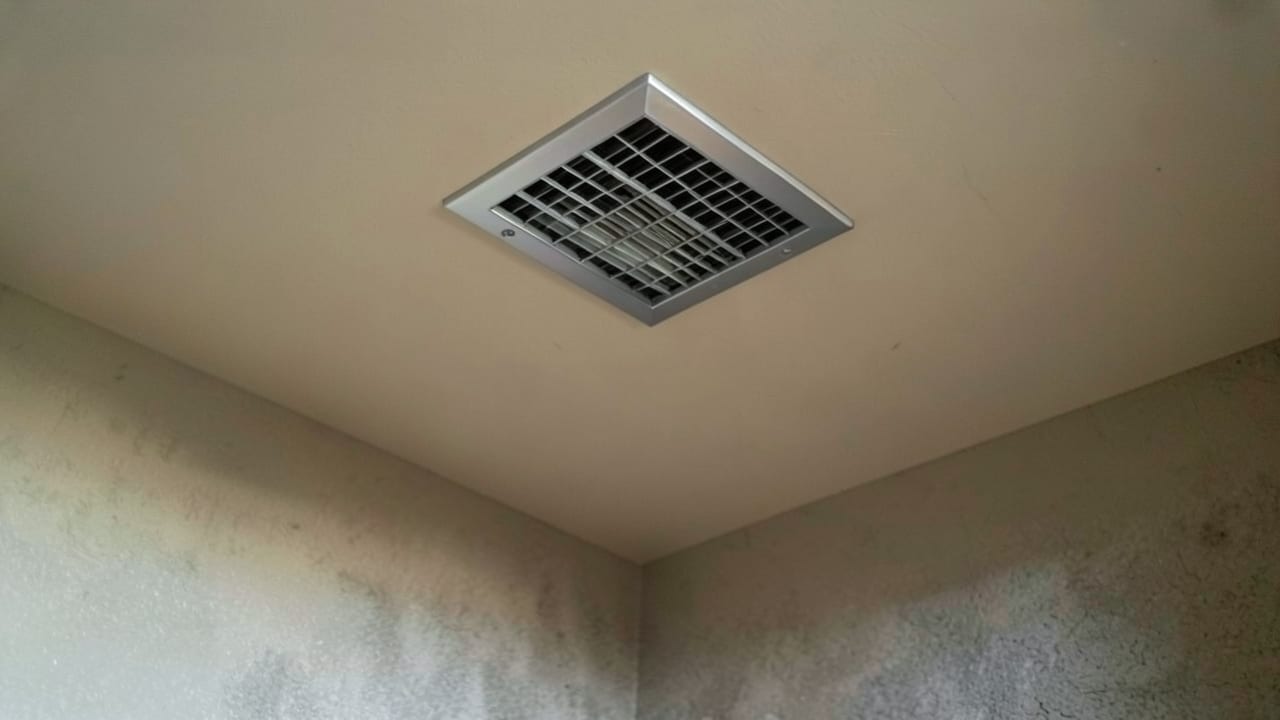
Supply Vent Cleaning in Ashland, OR
Professional cleaning of supply vents to improve airflow and indoor air quality in HVAC systems.
Learn More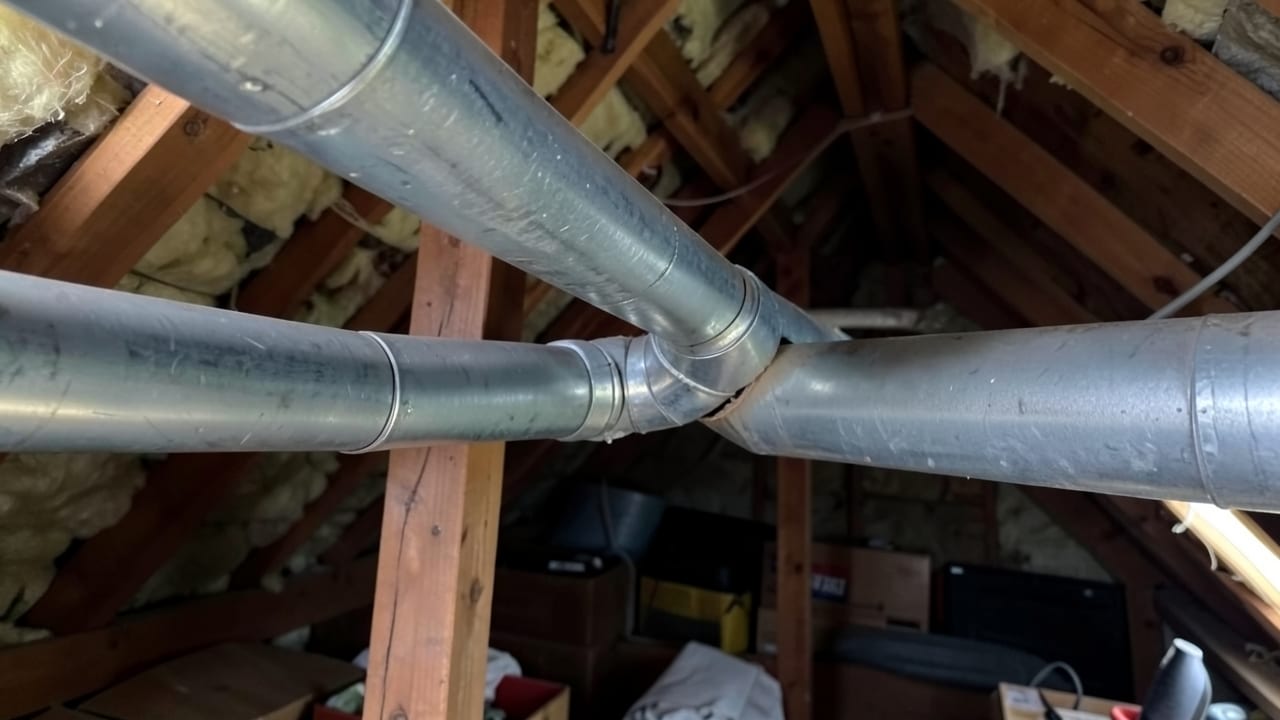
Ductwork Replacement in Ashland, OR
Replacing old or damaged air ducts to improve HVAC efficiency and indoor air quality.
Learn MoreCommon Questions About Air Duct Cleaning in Ashland
Everything you need to know about air duct cleaning services in Ashland
How much does Fire Smoke Duct Deodorization typically cost in Ashland, OR?
What local factors get checked before recommending duct cleaning in Ashland, OR?
What's the actual difference between duct cleaning and dryer vent cleaning?
Does the cleaning process release dust into the rest of the home?
How long does a typical air duct cleaning appointment take?
Can duct cleaning damage older or fragile ductwork?
Need Air Duct Cleaning in Ashland?
Get a written quote from our Ashland crew.
⏰ We answer your call • Serving all of Ashland and surrounding areas